






Three trips that share one name
| Horse ride | Camel ride | Stargazing evening | |
|---|---|---|---|
| Time on the animal | 1–2 h | ≈ 1 h on a camel tour; a few minutes on safaris | 3–5 min of camel, sometimes a short horse ride |
| Hotel to hotel | 1–3 h | ≈ 2–2.5 h | 5–7 h |
| Where | Coast and desert near the stables | Beach and desert | Desert camp, 17–26 km off-road by jeep |
| Usually included | Guide, transfer from Hurghada, photo stops | Guide, transfer, tea | Jeep, dinner, telescope, guide |
| Limits | Children from about 5; riders under ≈ 95–100 kg | One stable states 136 kg | Weather and moon |
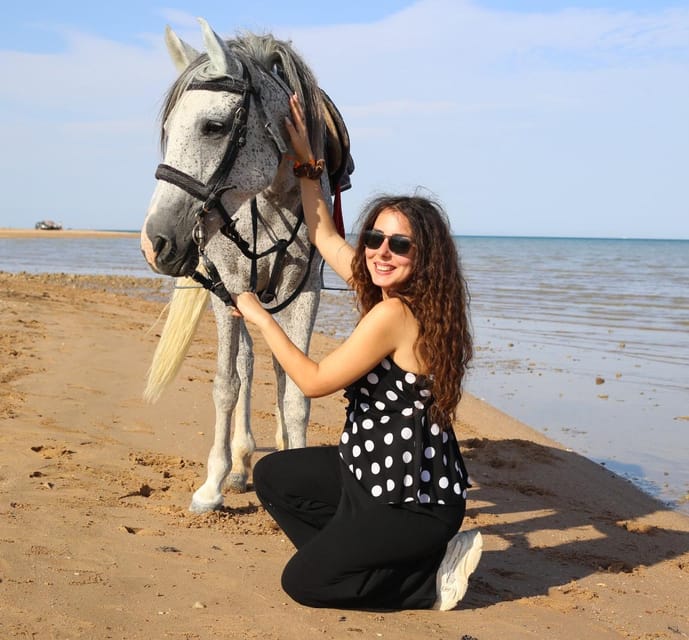
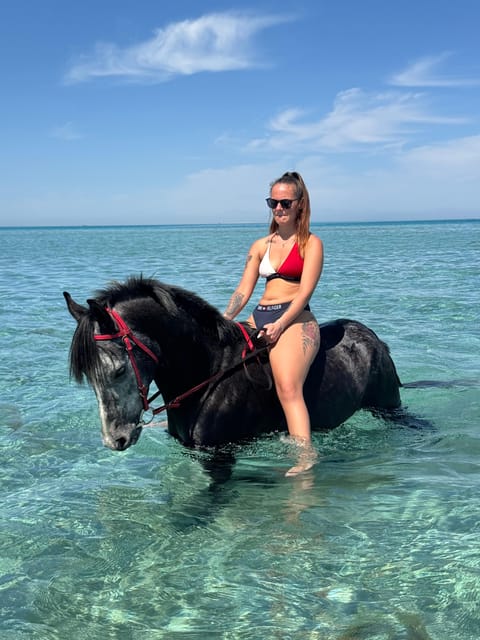
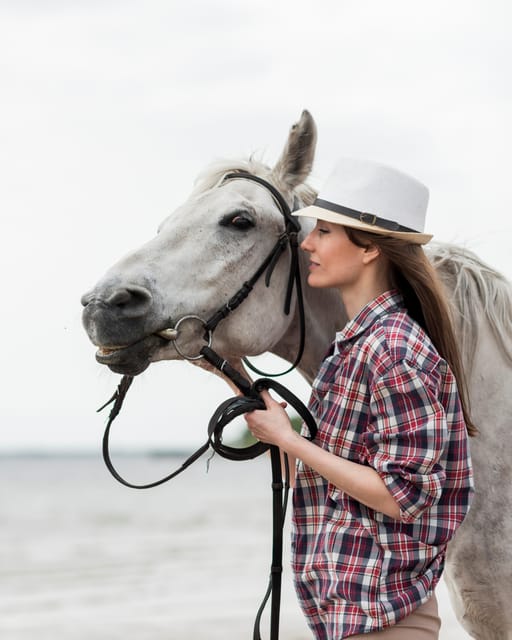
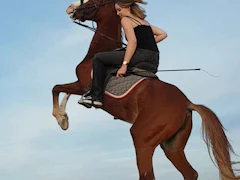
On horseback: coast, desert and the swim
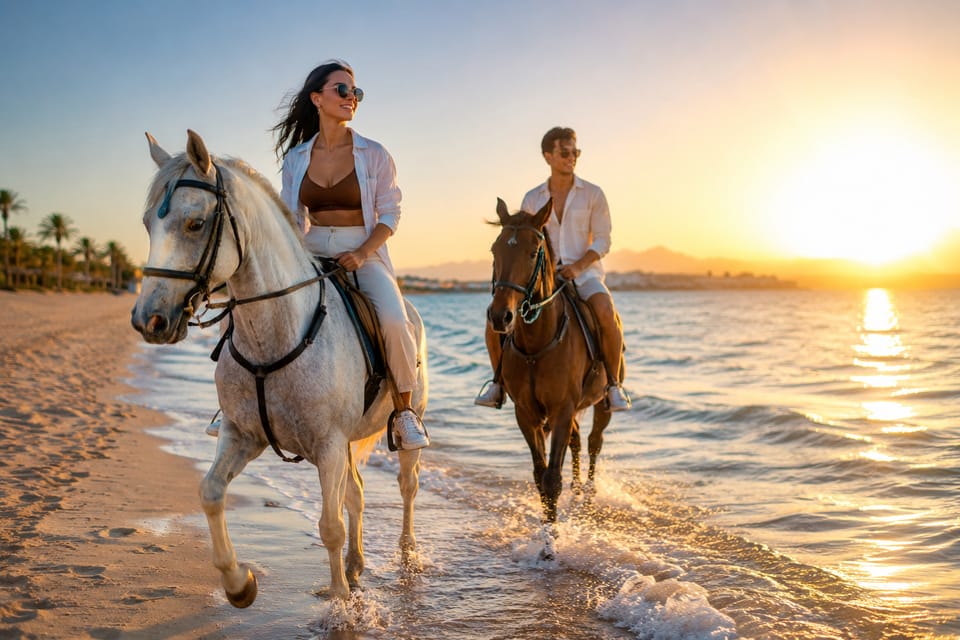
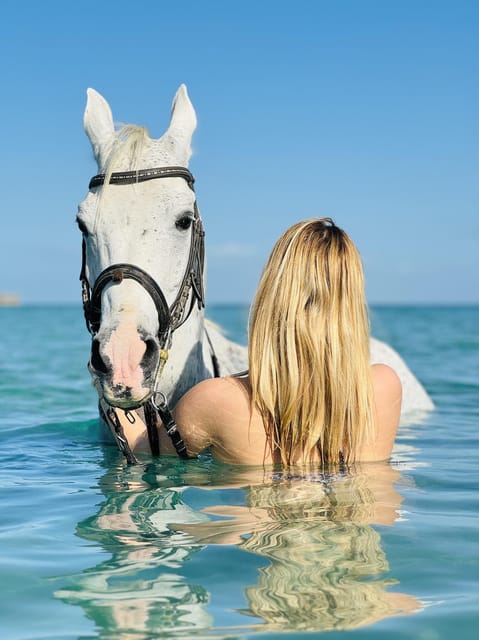
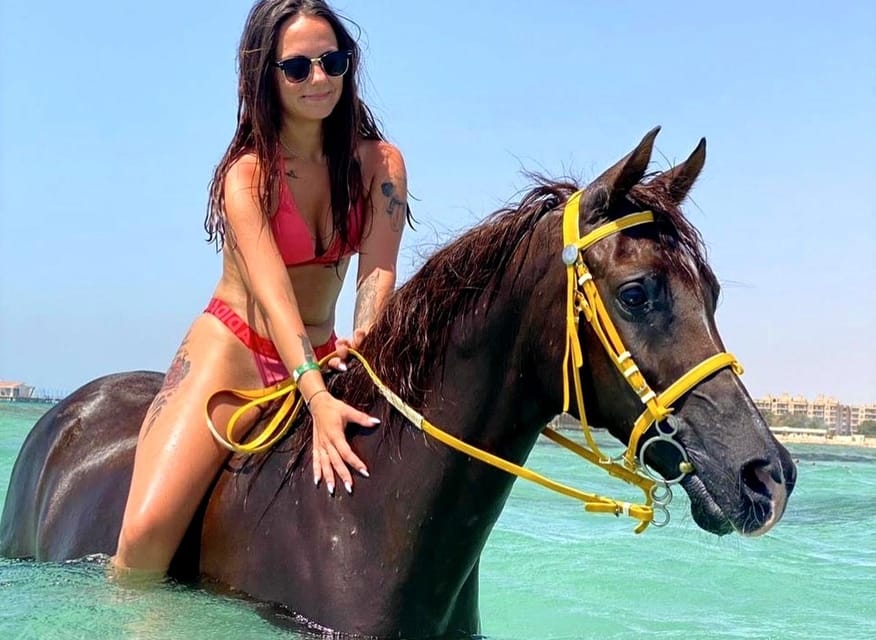
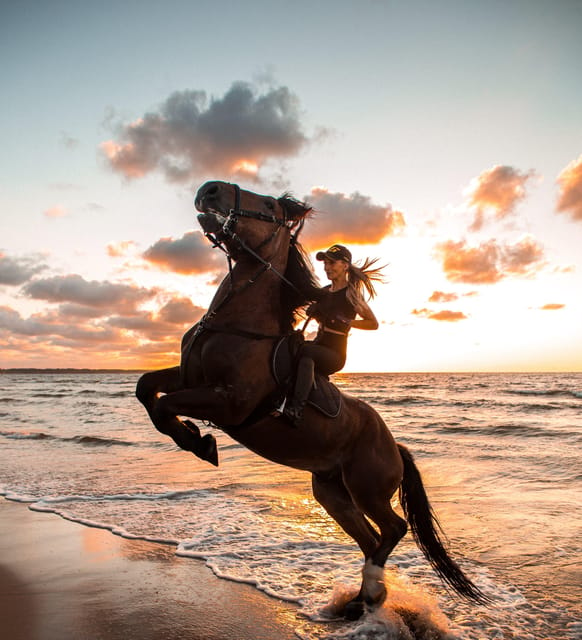
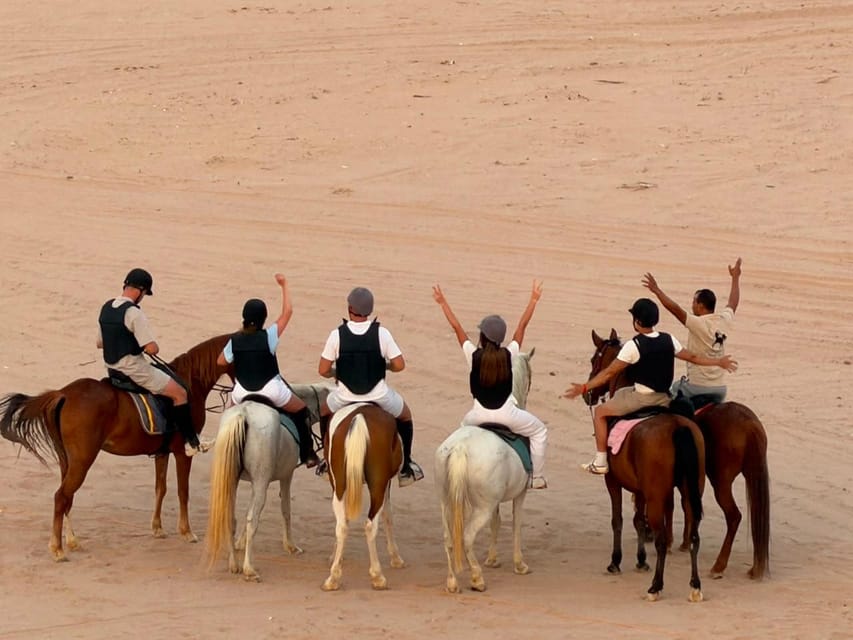
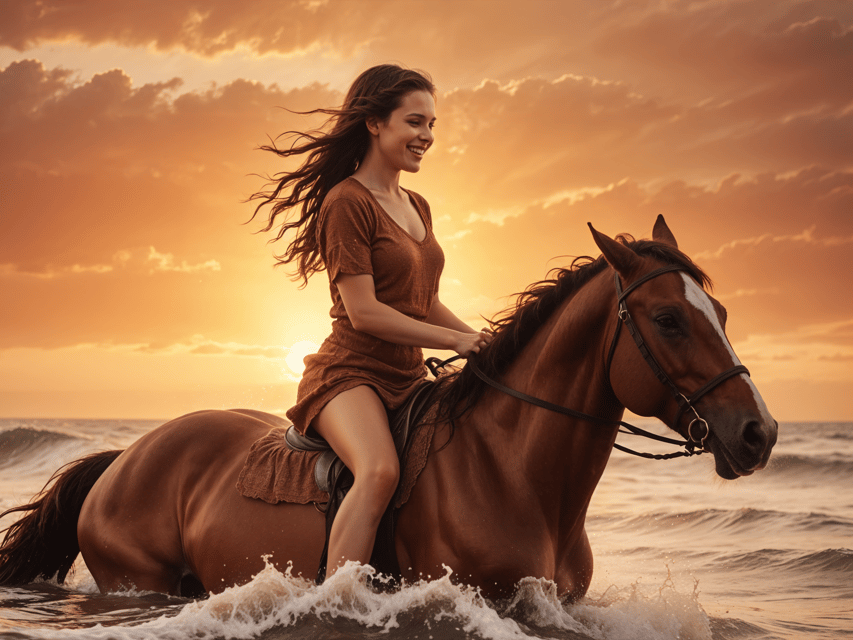
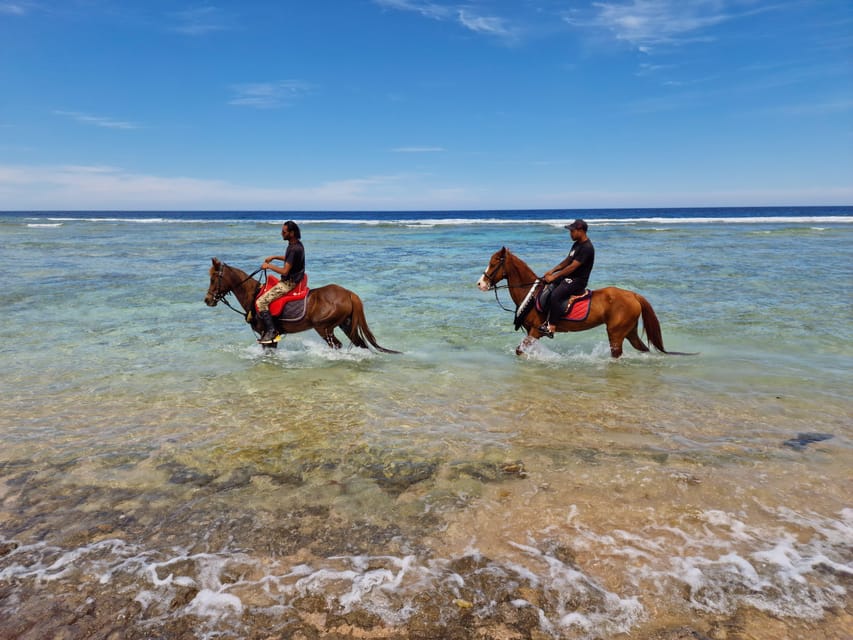
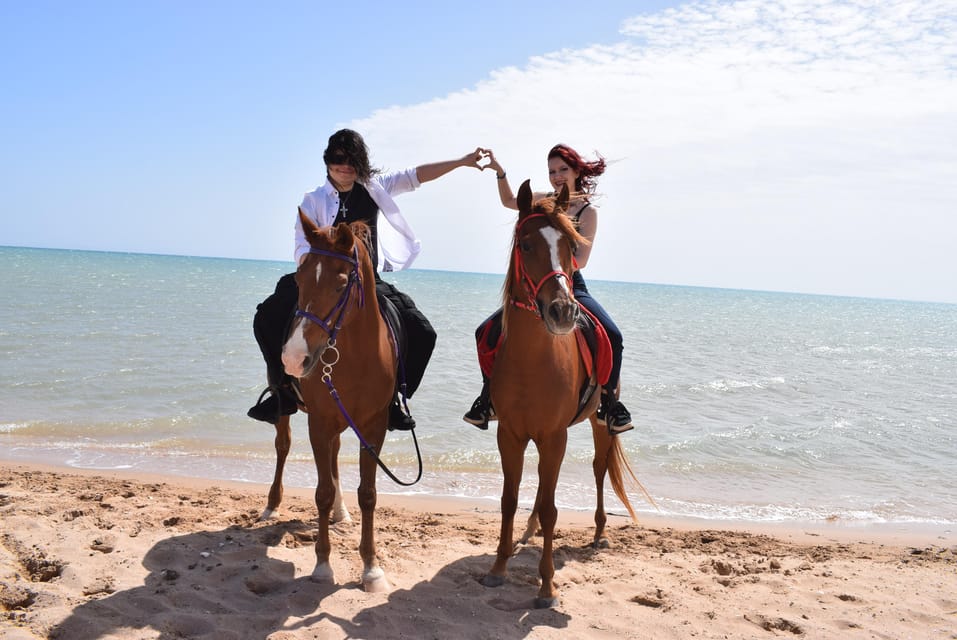
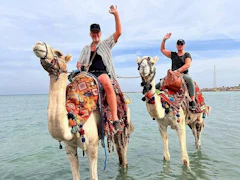
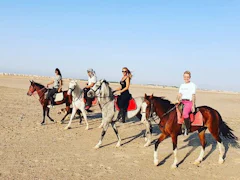
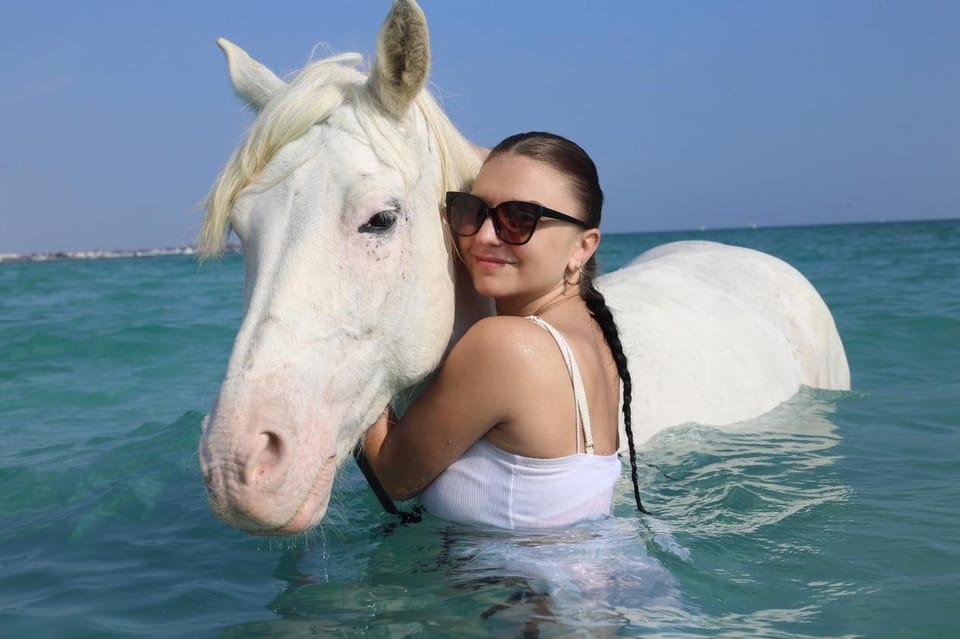
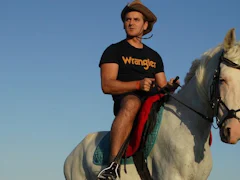
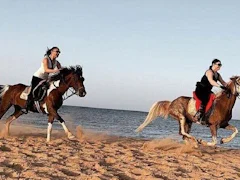
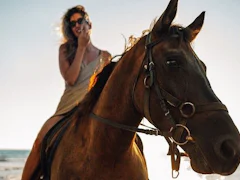
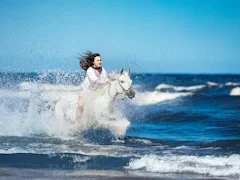
Most riding stables are a 30-minute drive from central Hurghada, with others near Makadi Bay, Sahl Hasheesh and El Gouna. Pickup from outside Hurghada town is often an add-on. The standard ride starts in the desert behind the coast, goes down to the beach, and on many tours ends with the horses walking into shallow water and swimming with you on their back. It's the part people remember, so bring swimwear and a towel.
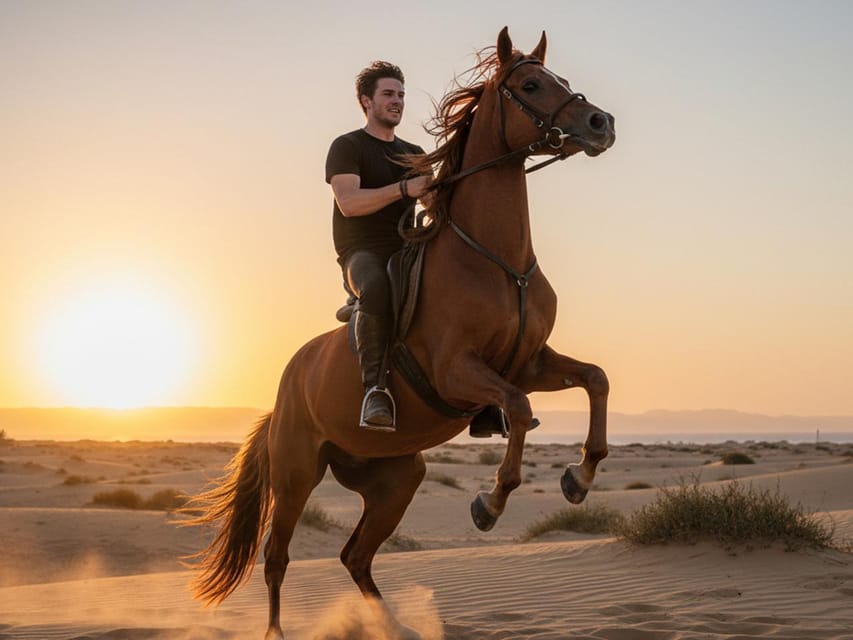
The good hours are early. Sunrise rides pick up around 04:45 and are in the saddle by about 05:15, before the sun has any bite. Afternoon rides start around 14:00–15:00 and finish in softer light. A midday ride in July is uncomfortable for you and harder on the horse.
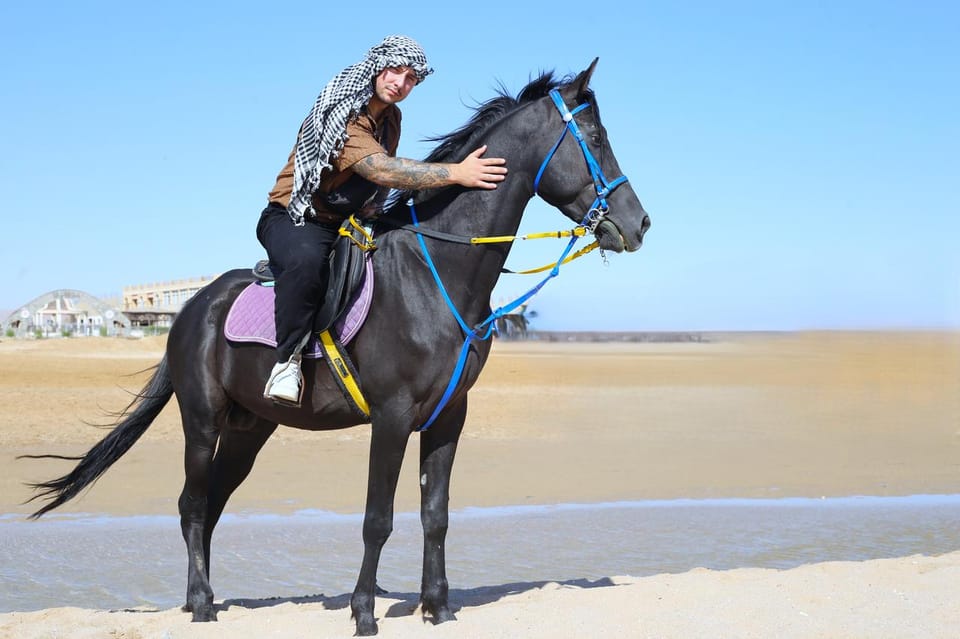
Stables listed on the platforms say they welcome complete beginners and let experienced riders gallop. One sets the minimum age at 5, a weight limit of 95 kg and no riders with back problems. Parents decide whether a child is ready; the guides can still say no.
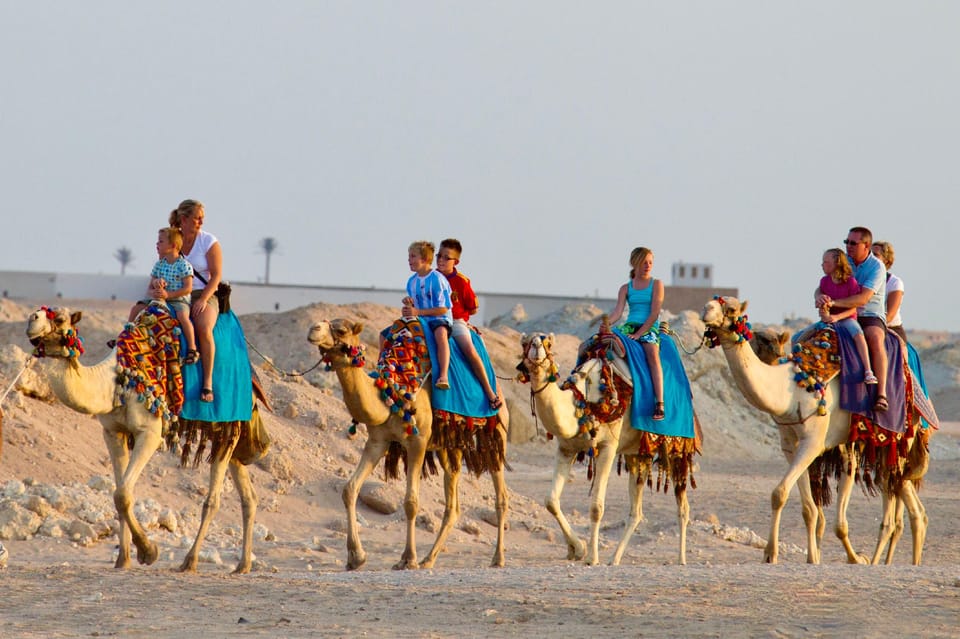
Camels: one hour or five minutes
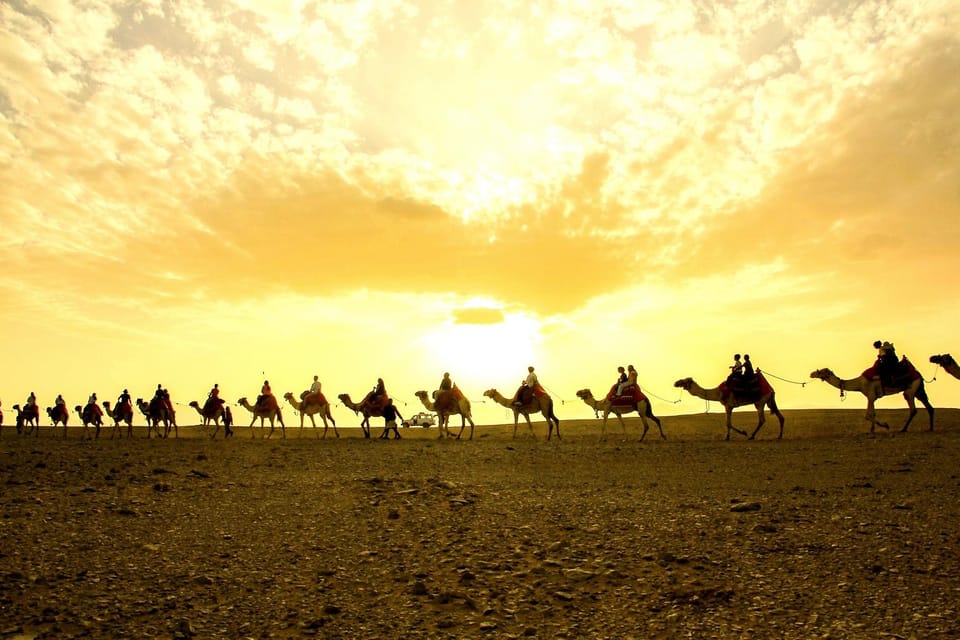
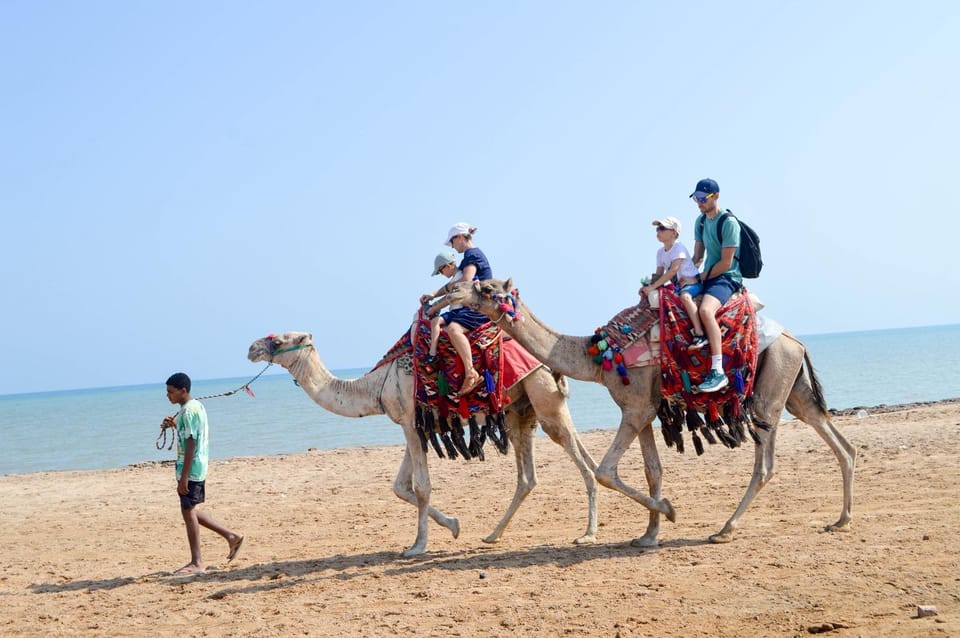
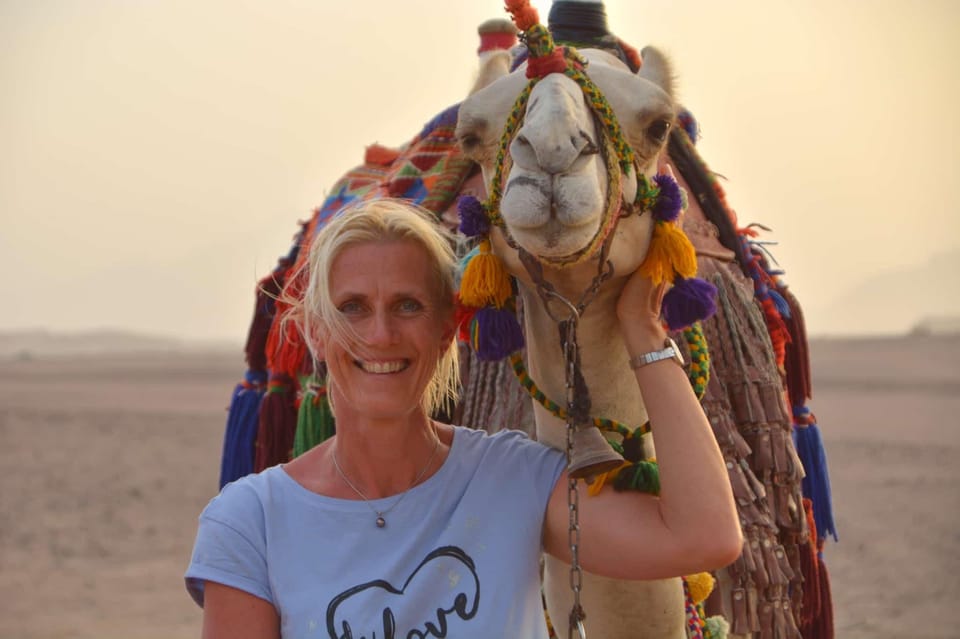
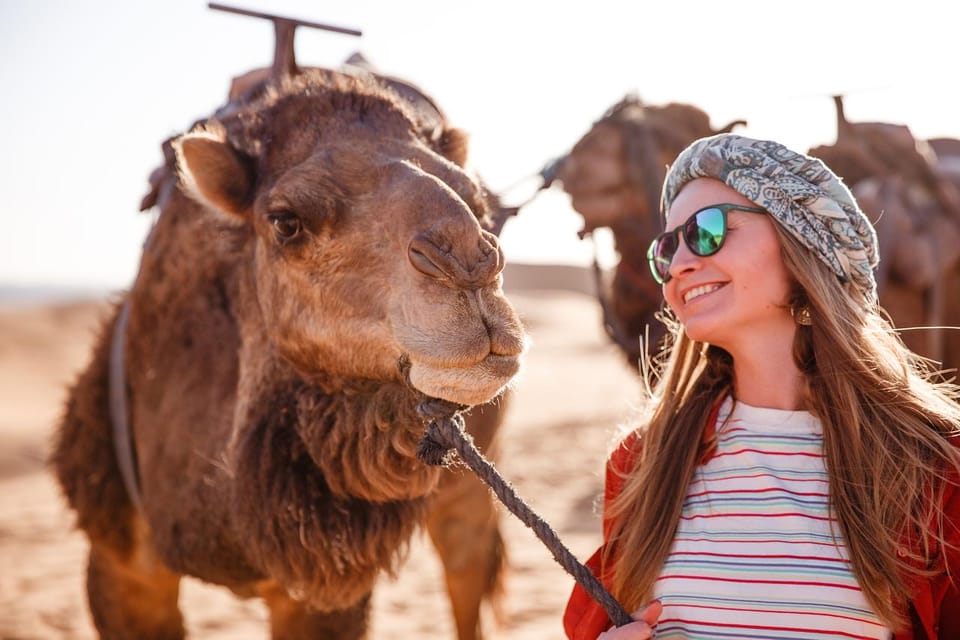
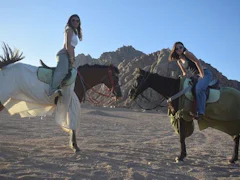
Know which one you're booking. A camel tour is about an hour on a camel, led by a handler, along the beach and into the desert, with transfers of about 30 minutes each way. On a quad safari or a stargazing evening, the "camel ride" is often a few minutes around the camp for photos. One Hurghada agency lists 3 minutes, without apology.
Getting on and off is the tricky part: a camel stands up back legs first, so lean back as it rises and hold on. After an hour you'll feel it in your thighs.
Stargazing worth the drive out
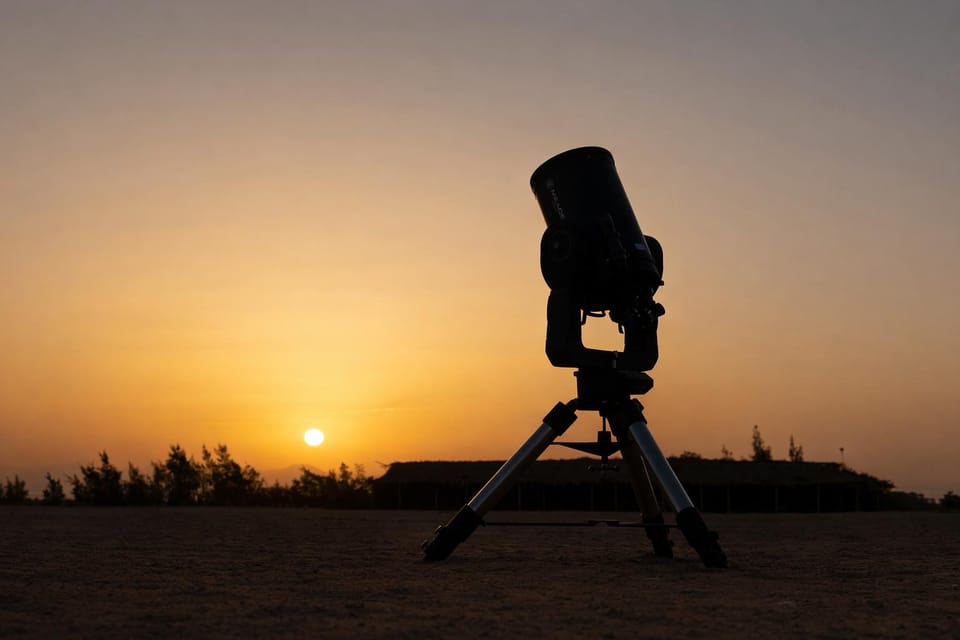
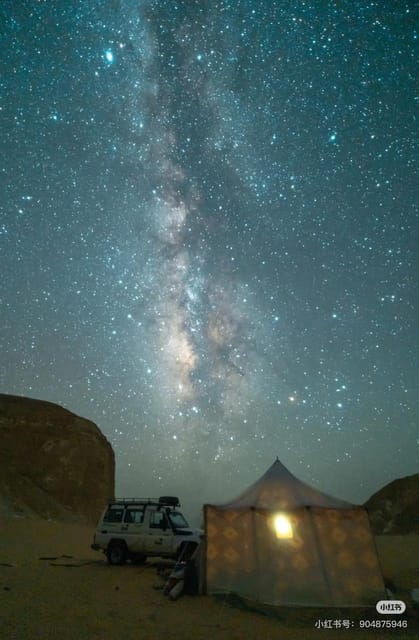
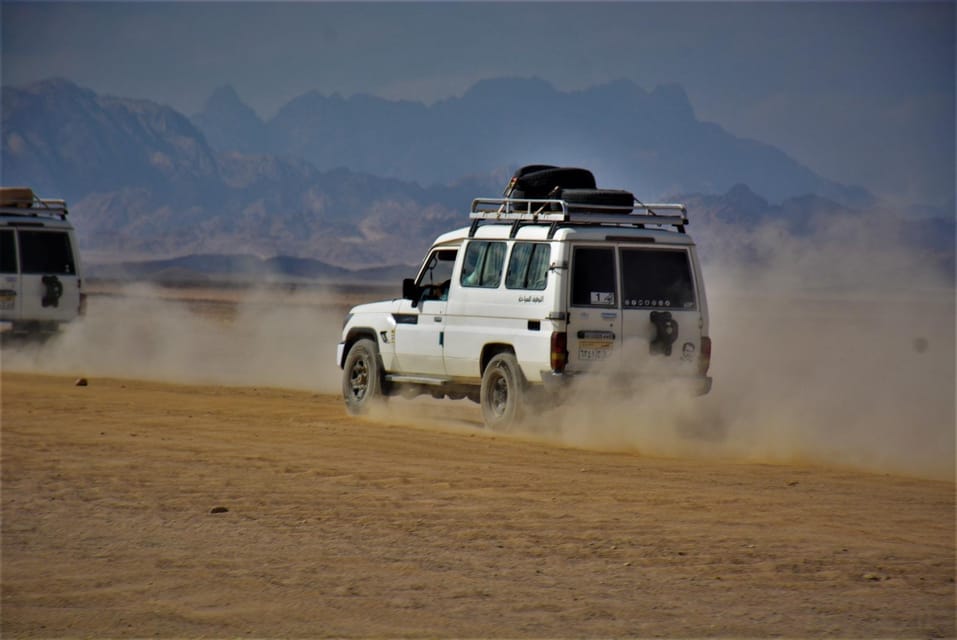
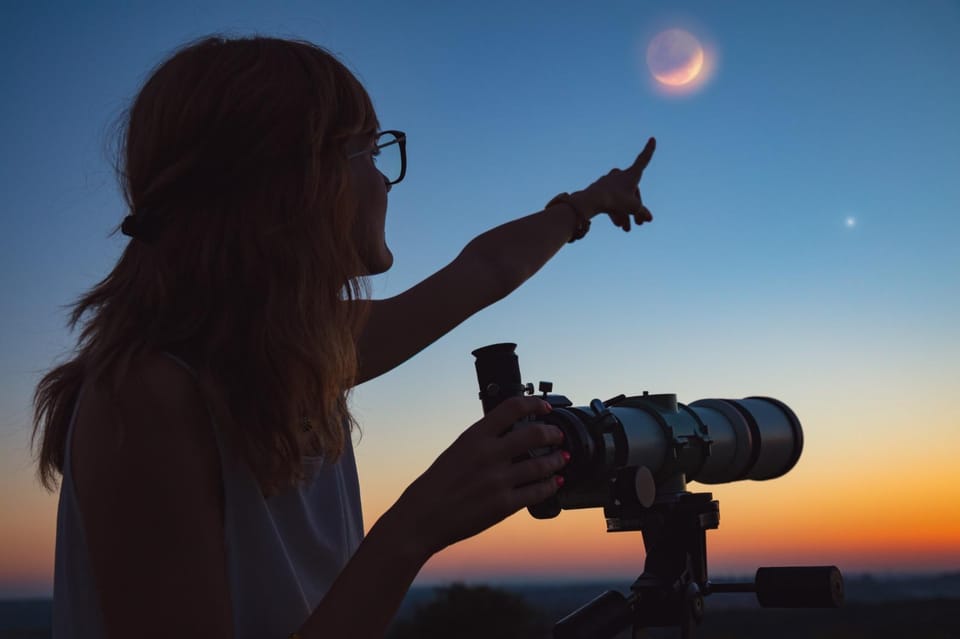
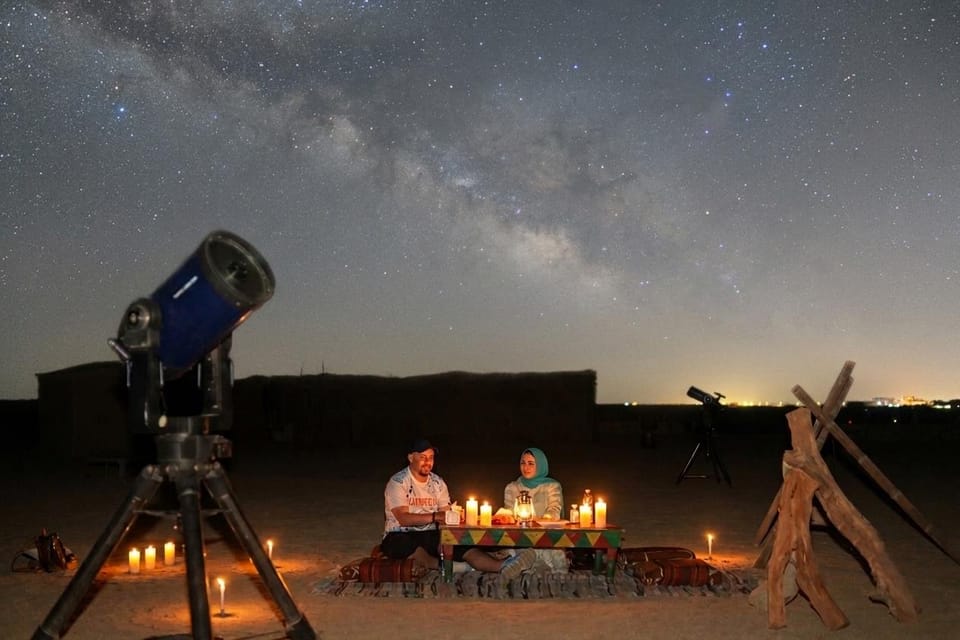
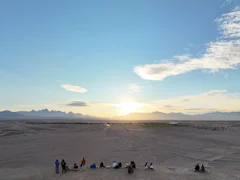
The night sky over Hurghada itself is washed out by hotel lights, so stargazing trips drive 17–26 km off-road by jeep to a camp in the desert. The better ones have a guide who knows the sky and a proper telescope; some use a GPS-guided smart telescope that finds planets on its own. You'll typically see the Moon's craters, Jupiter or Saturn when they are up, and a few bright stars and clusters.
Two things decide the night:
- The moon. Operators say plainly that a full moon reduces what you can see. Check the moon phase before you book and aim for the week either side of new moon.
- Cloud. It's rare on the Red Sea, but one operator states it reschedules or cancels if the sky is poor.
Most evenings bundle a camel ride, a Bedouin-style dinner and sometimes a show before the telescope, and you're back around 20:00–21:00. Some camps don't serve alcohol.
Checking the animals
The welfare of working horses and camels in Egypt varies from stable to stable, and you can see the difference quickly. Before you mount, look at the animals: they should have shade and water, look well fed, not show open sores under the saddle or bridle, and not be pushed into a gallop with sticks. Ask how many rides each horse does a day. If what you see bothers you, tell the guide and don't ride; on a platform booking, report it in your review and to customer service. Choosing early-morning or late-afternoon rides is also kinder to the animals than the midday slot.